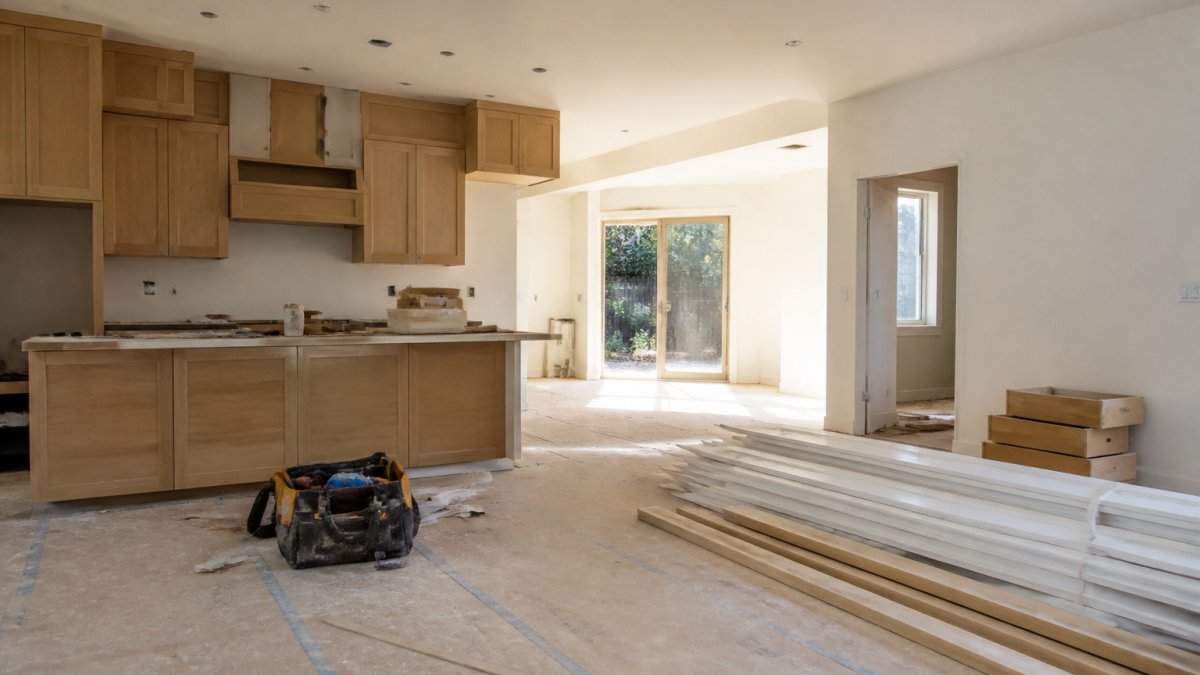
How to Avoid Surprise Construction Costs
Table of Contents
- Why Construction Cost Overruns Happen
- Hidden Costs of Remodeling You Need to Know About
- Create a Home Renovation Budget Checklist Before Work Begins
- What to Include in a Contractor Estimate
- Set a Contingency Reserve and Track Costs
- Understanding the Home Renovation Change Order Process
- Choose the Right Contract Type and Review Terms
- Frequently Asked Questions
Last Updated: October 9, 2026
Why Construction Cost Overruns Happen
Construction projects rarely stay within the original budget, which is why learning how to avoid surprise construction costs is essential. The reasons are predictable, and most are avoidable if you know what to watch for.
Scope creep is the biggest culprit. You start with a clear plan, but halfway through, you spot something that needs fixing. Or you change your mind about finishes. Or the contractor discovers structural issues hidden behind walls. Each decision adds time and materials.
The second major cause is poor planning. Many homeowners rush into a project without fully understanding what's involved. They skip the detailed estimate phase. They don't set aside money for unexpected problems. They choose a contractor based on the lowest bid rather than experience with similar projects.
Material costs and labor productivity also shift during construction. Supply delays happen. Workers encounter obstacles that slow progress. If your contractor isn't experienced, these delays cost more.
The good news: you can prevent most surprises. The key is planning thoroughly, getting detailed estimates, and building in a realistic contingency reserve.
Hidden Costs of Remodeling You Need to Know About
Most surprise construction costs are not truly surprises. They are risks that were visible before the first hammer swung, but nobody looked for them.
Here is where hidden costs actually come from, and how to find them early.
Permit, inspection, and impact fees. Building permits, electrical and plumbing permits, and inspections are non-negotiable.
Disposal, hauling, and dumpster staging. Remodeling generates debris, and hauling it away costs money.
Material waste and overage. Drywall, flooring, tile, and trim get cut, damaged, or simply do not fit.
Structural and system surprises behind the walls. This is the big one. When you're planning a kitchen remodeling or bathroom remodeling project, an experienced contractor will investigate these conditions before work begins.
Site and soil conditions. Drainage problems, expansive soils, high groundwater, or an unrecorded old septic tank can all force foundation or grading work nobody planned for.
Utility locating and conflicts. Before anyone digs, utilities need to be located.
Temporary utilities and site protection. Rerouting water, power, or gas during a kitchen or bathroom remodel costs money.
Design complexity. A kitchen with standard layouts and straight walls costs less to remodel than one with angled ceilings, multiple wall jogs, or custom built-ins.
Escalation and lead times. Material prices and availability move.
The practical move is to convert this list into questions. Ask your contractor what they will investigate before signing, what they will do if they find something, and how that finding would be priced. A contractor who welcomes those questions is the one who will not surprise you later.
Create a Home Renovation Budget Checklist Before Work Begins
A solid budget checklist prevents most surprises. Build it before you sign a contract.
Start by listing every element of your project:
- Materials (flooring, cabinetry, countertops, fixtures, paint, trim)
- Labor (installation, finishing, custom work)
- Permits and inspections
- Disposal and waste removal
- Temporary utilities and site protection
- Design fees or architectural work (if applicable)
- Contingency reserve (we'll cover this separately)
Next, research typical costs for each category. Talk to multiple contractors. Read reviews from homeowners in your area who've done similar work. Look at photos of completed projects to understand quality levels and what they cost.
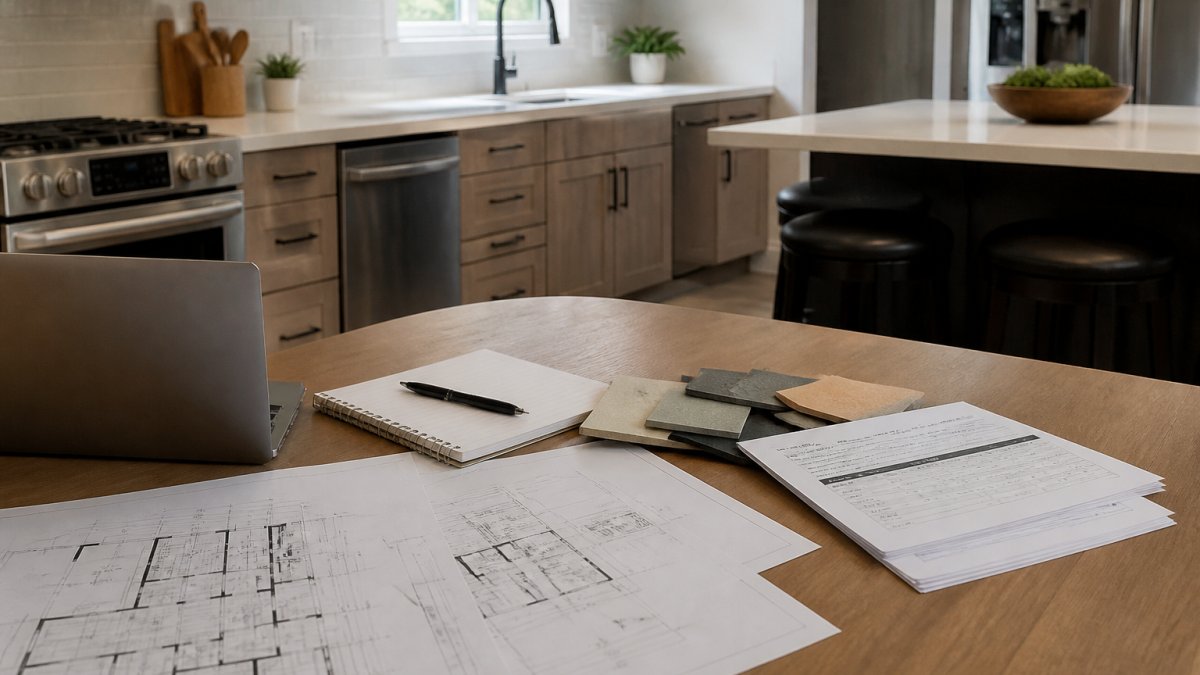
Create a spreadsheet with three columns: item, estimated cost, and actual cost. As you gather bids, fill in the estimated cost column. This gives you a clear picture of where your money goes.
Assign a budget line for each trade: carpentry, electrical, plumbing, painting, finishing. This breakdown helps you compare bids from different contractors and spot when something seems underpriced or overpriced.
Finally, add a separate line for contingency. We'll discuss how much to set aside in the next section.
A good budget checklist takes time to build, but it's the foundation of cost control. Without it, you're guessing.
What to Include in a Contractor Estimate
A detailed estimate is your best protection against surprise construction costs, but only if you know how to read it and how to compare it against another. A single number with no breakdown tells you almost nothing.
A solid estimate separates labor and materials and lists each task with quantities, unit costs, and the assumptions behind them. At minimum, it should include:
- Specific product names, models, and grades, not just "tile" or "paint"
- Quantities and measurements tied to your actual plans
- Labor broken out by task or trade
- A schedule with milestones and completion dates
- A clear inclusions and exclusions list
- Allowances for items not yet selected
- Warranty terms and who honors them
- Payment schedule tied to progress, not to signing
Allowances are where budgets quietly break. An allowance is a placeholder amount for something you have not chosen yet, like cabinet hardware, light fixtures, or tile. If the allowance is set low and your taste runs higher, you pay the difference.
Exclusions matter as much as inclusions. Common exclusions include permits, disposal, painting, final cleaning, and repair of existing conditions. Read the exclusions line by line and ask what each one would cost if it turns out to be needed.
Request a Project Consultation →
Watch for provisional sums and escalation clauses. A provisional sum is an estimate for work that cannot be fully defined yet, such as structural repair behind a wall. An escalation clause lets the price adjust if material costs move. Both are legitimate, but both need to be understood before signing, not after.
How to compare bids without getting fooled. The lowest headline price is often the most expensive project. To compare fairly, normalize the bids:
- Put each bid on the same scope. If one contractor excludes painting and another includes it, add the missing scope to the first bid before comparing.
- Compare allowances side by side. A bid that looks cheaper may simply carry lower allowances that you will top up later.
- Compare exclusions. Two bids with the same total but different exclusions are not the same bid.
- Compare schedule and payment terms. A longer schedule can carry real carrying costs, and a front-loaded payment schedule shifts risk to you.
- Ask each contractor to explain the assumptions behind their number. The one who can walk you through it line by line is usually the one who has actually thought about your project.
Ask the contractor to explain anything unclear. A reputable contractor will walk you through the estimate line by line. If they will not, that is a red flag worth taking seriously.
Set a Contingency Reserve and Track Costs
A contingency reserve is money set aside for unexpected problems. It's not optional, it's essential.
How much should you reserve? That depends on your project type and risk level. A straightforward bathroom remodel in a newer home might need 10-15% contingency. An older home with hidden structural issues might need 20-25%.
The formula is simple: take your total project budget and multiply by your contingency percentage. If your budget is $50,000 and you set aside 15%, your contingency is $7,500. Your total project cost is $57,500.
Keep the contingency in a separate account. Don't spend it on upgrades or changes. It's only for genuine surprises, structural issues, code violations, unforeseen damage.
Track costs weekly as work progresses. Ask your contractor for a cost report showing what's been spent, what's remaining, and whether you're on budget. If you're trending over budget halfway through, you'll know early enough to make adjustments.
Watch for scope changes. Every change order, a written request to modify the original plan, affects your budget. Before you approve a change, know the cost. Small changes add up fast.
Understanding the Home Renovation Change Order Process
A change order is a written agreement to modify the original contract. It should include the change description, the cost, and how it affects the timeline.
Never approve a change order verbally. Get it in writing. The document should be signed by both you and the contractor before work begins on the change.
Common reasons for change orders include:
- Structural problems discovered during demolition
- Design changes you decide to make
- Upgraded materials or finishes
- Code violations that need correction
- Unforeseen damage to existing structures
A good contractor expects change orders and has a process for handling them. They'll provide a written estimate for the change, explain why it's necessary, and wait for your approval before proceeding.
Keep all change orders in a file. At the end of the project, you'll have a complete record of what changed and why. This protects both you and the contractor.
If your contractor resists providing change orders in writing, that's a warning sign. Reputable contractors document everything.
Choose the Right Contract Type and Review Terms
The contract type matters. It affects how you pay, what happens if problems arise, and who bears the risk of cost overruns.
A fixed-price contract sets a total price for the entire project. The contractor absorbs cost overruns. This protects you from surprise construction costs, but the contractor may build in extra padding to cover unknowns.
A time-and-materials contract charges you for actual labor hours and materials used, plus a markup. You pay as work progresses.
A cost-plus contract is similar to time-and-materials but includes a guaranteed maximum price. The contractor agrees not to exceed that amount without your approval. This balances flexibility with cost protection.
Before signing any contract, review these terms:
- Scope of work (what's included, what's not)
- Total cost and payment schedule
- Timeline and completion date
- Warranty coverage
- Change order process
- Insurance and licensing requirements
- Dispute resolution process
Ask about insurance and bonding. A licensed, bonded contractor protects you. If something goes wrong, the bond provides recourse.
Don't skip the contract review. A poorly written contract is the source of most construction disputes. If you're unsure about legal language, have an attorney review it.
Surprise construction costs stem from poor planning, vague estimates, and lack of cost tracking. You control all three. Start with a detailed budget checklist. Get itemized estimates from experienced contractors.
If you're planning a kitchen remodel, bathroom renovation, home addition, or whole home remodeling project in the Lodi and San Joaquin County area, Schatz Construction can walk you through the budget process and help you avoid costly surprises.
Frequently Asked Questions
What are the most common hidden costs in a renovation?
Common hidden costs include structural issues discovered during demolition, outdated electrical or plumbing systems requiring upgrades, asbestos or mold remediation, permit fees, disposal of construction waste, and temporary utilities during the project. Many older homes in the region have unexpected issues behind walls, original wiring that doesn't meet code, rotted framing, or outdated plumbing that needs replacement. Building in contingency reserves helps cover these discoveries without derailing your budget.
How much contingency should I plan for a home remodel?
Most contractors recommend setting aside 10-20% of your total project budget as contingency. For smaller, straightforward projects like bathroom updates, 10% may suffice. For older homes or major renovations with unknown conditions, 15-20% is safer. This reserve covers unexpected structural issues, material price increases, and design changes that emerge once work begins. Discuss your home's age and condition with your contractor to determine the right contingency level for your specific project.
How can I tell if a contractor's estimate is complete?
A complete estimate breaks down costs by category: labor, materials, permits, inspections, and disposal. It should specify what's included and excluded, list allowances for items you'll choose later (fixtures, finishes), note any assumptions about existing conditions, and clearly state the timeline. Ask your contractor to walk you through the estimate line by line. If it's vague, lumps everything together, or lacks detail on labor and materials, request a more detailed breakdown before signing. A thorough estimate reduces surprises.
What should I do if a contractor finds unexpected damage during the project?
Stop work and document the damage with photos. Get a written change order from your contractor detailing the issue, the recommended fix, and the additional cost. Review it carefully before approving. This protects both you and the contractor by creating a clear record of what changed and why. Avoid verbal agreements, everything goes on paper. Your contingency reserve should cover legitimate unexpected issues, but a change order keeps the project transparent and prevents disputes about who pays for what.
