Walk-In Shower: 7 Reasons It's Worth It (and 3 Not)
Last Updated: November 9, 2026
Quick Summary
A walk-in shower is worth it for homeowners who want easier entry, better accessibility, and a more open bathroom, especially in a primary bath used daily. It is less suitable where the bathtub is the home's only tub or where proper waterproofing and drainage cannot be ensured. Whether it fits depends on how the bathroom is used and how long you plan to stay.
- Removing the tub wall makes entering and exiting the shower simpler.
- Waterproofing is the most important detail, since water damage often starts behind tile.
- Converting the only tub in a home can concern young children, pet owners, and future buyers.
- A common approach is a walk-in shower in the primary bath and a tub in a secondary bath.
- A site visit is the best way to understand the cost for your specific bathroom.
Table of Contents
- Why Homeowners Are Asking Whether a Walk-In Shower Is Worth It
- The Main Benefits of a Walk-In Shower
- The Drawbacks You Should Weigh Before Converting
- Walk-In Shower Versus Keeping the Bathtub
- Walk-In Shower Cost Estimate: What Drives the Price
- Bathroom Remodeling Trends 2026 and Resale Appeal
- Schedule a Consultation to See If a Walk-In Shower Fits Your Home
- Frequently Asked Questions
Why Homeowners Are Asking Whether a Walk-In Shower Is Worth It
Is a walk-in shower worth it? For many homeowners in Lodi and across San Joaquin County, the answer depends on how they use the bathroom today and how long they plan to stay in the home. Schatz Construction can help homeowners weigh those factors before any demolition begins, so the decision rests on real needs rather than trends.
Interest in walk-in showers has grown as more homeowners think about comfort, safety, and long-term use. Some want an easier daily routine. Others are planning ahead for aging in place. Many simply want a bathroom that looks current and feels open.
Below, we cover seven reasons a walk-in shower is worth the investment, three reasons it may not be, and how costs and resale appeal factor into the choice.
The Main Benefits of a Walk-In Shower
A walk-in shower removes the tub wall, which makes entry and exit simpler. That single change is the reason most homeowners consider the conversion.
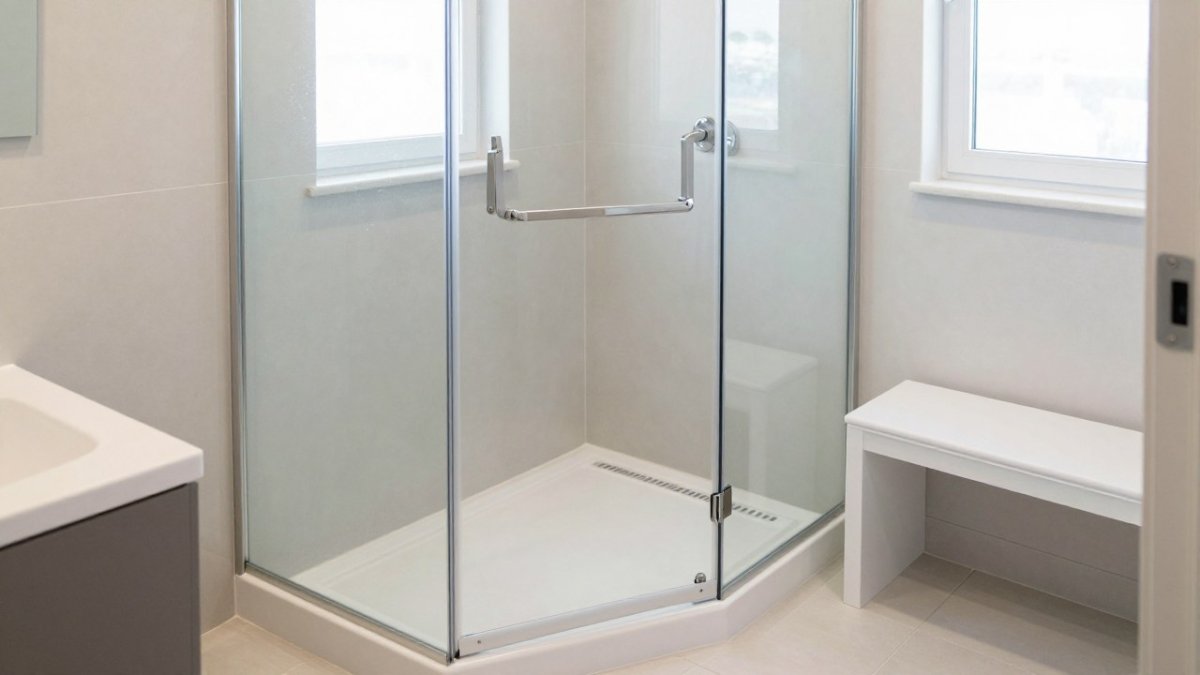
Key benefits include:
- Easier entry and exit. No high step over a tub edge.
- Improved accessibility. A curbless or low-threshold design supports mobility needs.
- Open, modern appearance. Glass panels make a small bathroom feel larger.
- Easier cleaning. Fewer seams and corners than a tub-and-surround setup.
- More usable floor space. Removing the tub can free room for a vanity or linen storage.
- Customizable features. Benches, grab bars, handheld showerheads, and niche shelving can be added during the build.
- Potential home appeal. Many buyers view a well-designed walk-in shower as a strength.
Many families choose a walk-in shower for everyday convenience. The benefit is steady and practical, not dramatic.
!Bright modern bathroom with a curbless glass walk-in shower, built-in bench, grab bar, and non-slip tile floor
The Drawbacks You Should Weigh Before Converting
A walk-in shower is not right for every bathroom or household. The drawbacks are real, but most of them are manageable when you understand what causes them. Here is what actually goes wrong and how a well-planned build prevents it.
- You lose the bathtub. If this is the home's only tub, young children, pet washing, and anyone who relies on a soak are affected. A common pattern is to keep a tub in a secondary or hall bath and convert only the primary bath to a walk-in shower. Removing the only tub in the house is the change most likely to concern future buyers.
- Waterproofing is the make-or-break detail. Water damage behind tile rarely comes from the tile itself; it comes from water reaching the framing through failed seams, penetrations, or a pan that was not properly integrated with the wall membrane.
- Floor slope and the curbless transition. Water drains because the pan slopes toward the drain, typically at a subtle pitch that is easy to get wrong. A curbless (zero-threshold) design is the most demanding version because the bathroom floor and shower floor must meet at the same level while still directing water to the drain. That usually means recessing the framing or adjusting the subfloor, which adds scope. A low curb is simpler and still delivers most of the easy-entry benefit.
- Splashing and water containment. An open design with a single glass panel can let spray reach the floor and nearby surfaces. A fixed glass panel sized to the spray pattern, a slight floor slope toward the drain, and a properly placed showerhead all reduce this. Splash is a design question, not an unavoidable flaw.
- Ventilation and moisture. A shower that stays wet promotes mildew on grout, glass, and nearby paint. A properly sized exhaust fan vented to the exterior, not into the attic, and a squeegee habit keep the room drier (the EPA). Glass with a hydrophobic coating sheds water and cuts spotting.
- Glass care. Frameless glass looks clean but shows water spots and soap film. Regular wiping and a coating help; heavy mineral content in the water makes spotting worse.
- Construction disruption. Converting a tub typically involves plumbing, framing, waterproofing, and tile work, and the bathroom is usually out of service for the duration. Plan for how the household will bathe during the project. To see how long that disruption typically lasts, read how long a bathroom remodel takes.
Ask your contractor how the design handles water containment, the slope, and the wall-to-pan connection. Clear answers here prevent most later problems, and they are the questions that separate a durable shower from a callback.
Walk-In Shower Versus Keeping the Bathtub
This is the choice many homeowners struggle with most. Both options have real strengths.
| Factor | Walk-In Shower | Bathtub |
|---|---|---|
| Entry ease | Level or low threshold | Step over a raised edge |
| Cleaning | Fewer seams and corners | More surfaces to clean |
| Space | Frees floor area | Fixed footprint |
| Soaking | Not possible | Available |
| Resale appeal | Often appealing to buyers | Depends on the buyer |
A bathtub still makes sense for households that value soaking, bathing young children, or having a second full bath. A walk-in shower often suits daily-use bathrooms, especially where mobility or space is a concern. Many homes end up with a combination: a walk-in shower in the primary bath and a tub in a secondary bath.
Walk-In Shower Cost Estimate: What Drives the Price
Costs vary widely based on the scope of the project. Pricing depends on the specific conditions of each bathroom, so current pricing is best confirmed directly with Schatz Construction. What we can do is show you how the money is typically allocated so you can compare bids and understand where a quote is coming from.
A tub-to-shower conversion generally breaks down into these cost buckets:
- Demolition and disposal. Removing the tub, surround, and old tile, then hauling it away. Straightforward but not free.
- Plumbing changes. Reusing the existing drain and supply locations costs less. Moving the drain for a different shower footprint, adding a handheld or body sprays, or relocating the valve adds labor and sometimes requires opening walls.
- Framing and subfloor work. A curbless design often needs the floor recessed or the subfloor rebuilt to create the slope, which is one of the larger variables between a low-curb and a zero-threshold build.
- Waterproofing system. A continuous membrane, a sloped pan, and the associated sealants and banding are a modest share of the budget but protect the most expensive parts of the job. Cutting corners here is the classic false economy.
- Tile and finishes. This is usually the largest swing factor. Large-format tile, natural stone, mosaic shower floors, and custom niches raise both material and labor cost. Standard porcelain on the walls and a simple mosaic pan keep it lower.
- Glass enclosure. Frameless glass is the premium option; semi-frameless and framed cost less. A single fixed panel is the least expensive way to get the open look.
- Fixtures and accessories. Handheld showerheads, benches, grab bars, niche shelving, and body sprays each add to the total.
- Permits and inspection. Many jurisdictions require a permit for plumbing and structural changes, and the fee and inspection time should be planned into the budget.
A practical way to compare a walk-in shower against keeping or replacing a tub is to look at total project cost rather than the fixture alone. A like-for-like tub replacement can be less involved because it reuses the existing drain location. A walk-in shower may involve additional waterproofing, glass, and finish work, and its long-term maintenance and daily usability should be weighed against those upfront factors. Ongoing costs differ too: glass and tile need regular cleaning, while a tub surround has more seams to maintain.
The best way to understand your number is a site visit. Schatz Construction can walk through your bathroom, explain which factors apply, and discuss your project. Current pricing and availability are best confirmed directly with us.
Bathroom Remodeling Trends 2026 and Resale Appeal
Bathroom design trends in 2026 favor clean lines, natural materials, and spaces that feel calm and functional. Walk-in showers with simple glass, larger tile, and built-in storage fit this direction well.
Resale appeal depends on local buyer preferences and the quality of the work. A well-built walk-in shower with proper waterproofing is more likely to be viewed as an upgrade. Poor workmanship, on the other hand, can become a concern during inspection. Focus on quality over trend, and the design will hold its value longer.
For more on how project scope affects the timeline and cost, see our guide to how long a bathroom renovation really takes from start to finish.
Schedule a Consultation to See If a Walk-In Shower Fits Your Home
A walk-in shower can be a smart investment for the right bathroom, but the details decide whether it works for your household. Schatz Construction serves homeowners in Lodi and surrounding areas with kitchen and bathroom remodeling, and we are glad to help you think through the options.
If you are ready to explore a walk-in shower conversion, request a bathroom remodeling consultation with our team. We will review your space, discuss your goals, and give you a clear picture of what the project involves. You can also read our guide on hiring custom bathroom renovation contractors to know what to look for in a qualified builder.
Frequently Asked Questions
What are the disadvantages of a walk-in shower?
The main drawbacks are higher installation cost than a basic tub replacement, the need for proper waterproofing and floor slope so water stays in the shower pan, and the loss of a bathtub if the home has only one bathroom. Glass enclosures can also show water spots and require regular wiping to stay clear. Some homeowners find that a walk-in shower leaves less wall space for storage or shelving. Reviewing these points with a contractor before work begins helps you plan for drainage, layout, and daily maintenance.
Do walk-in showers increase home resale value?
A well-built walk-in shower can improve buyer appeal, especially in homes where the existing tub is dated or the owner's household includes people who prefer step-in access. However, resale value depends on the rest of the home, the local market, and whether the bathroom remains functional for other occupants. Removing the only bathtub can reduce appeal for buyers with young children. A local real estate agent can advise how buyers in your neighborhood view walk-in showers.
What is a fair price for a walk-in shower?
Pricing depends on the size of the shower, the materials chosen, the condition of the subfloor, plumbing changes, and whether drainage or waterproofing needs to be rebuilt. Costs also vary with the scope of finishes like tile, glass, and fixtures. For current pricing tailored to your bathroom, contact Schatz Construction for a consultation, where the scope can be reviewed in detail before any numbers are finalized.
Are walk-in showers easier to clean than traditional tub-shower combos?
Many homeowners find walk-in showers easier to clean because there are fewer corners, seams, and tub edges where soap scum collects. Frameless glass and larger tile formats generally need less grout work. Cleaning still depends on the materials you select, the ventilation in the room, and how often the glass is wiped after use. Choosing durable, low-maintenance finishes during the design phase makes long-term cleaning simpler.

