How to Avoid Construction Delays During Remodeling
Table of Contents
- Why Construction Delays Happen: Common Causes
- How to Create a Home Renovation Schedule That Works
- Ordering Materials for a Home Renovation: Lead Times and Decision Deadlines
- Your Remodeling Project Timeline: Planning for Dependencies
- Understanding Change Orders in Remodeling
- Contractor Communication and Coordination
- What to Do When Delays Happen
- Frequently Asked Questions
Last Updated: October 17, 2026
Why Construction Delays Happen: Common Causes
Construction delays remodeling projects are frustrating, but most are predictable, understand the causes and you can plan around them.
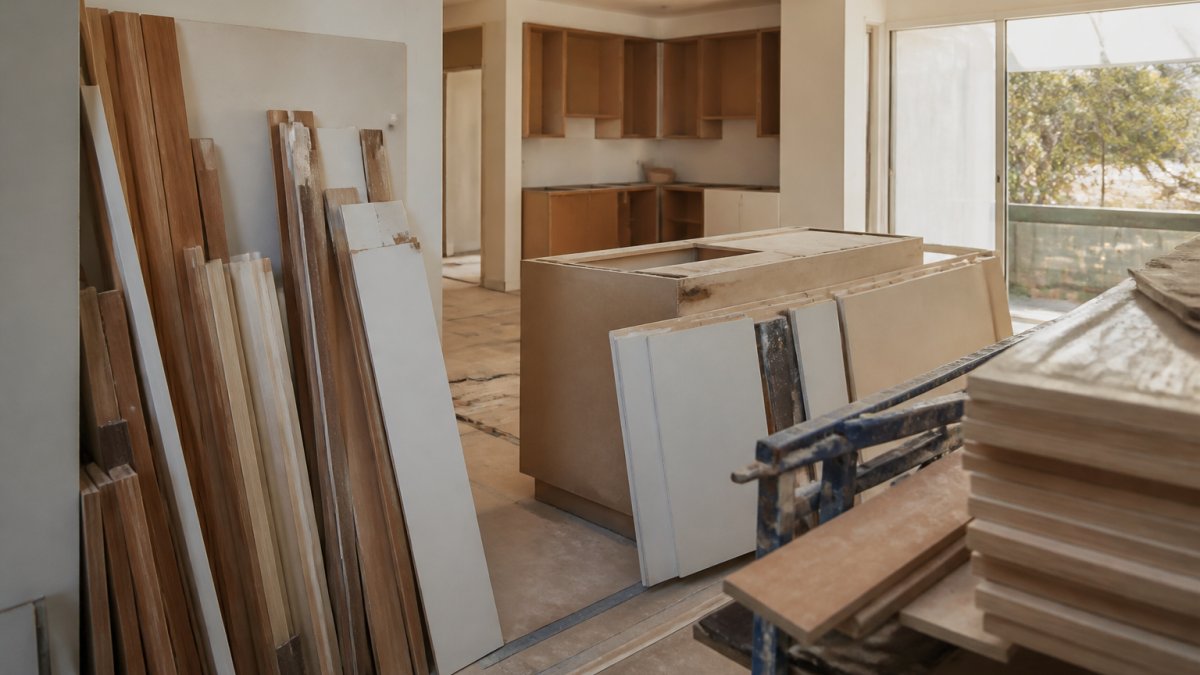
Material delays top the list. Cabinets, tile, fixtures, and custom trim can take weeks to months to arrive, so confirm availability before ordering.
Unforeseen conditions come second. That wall you thought was load-bearing might be, and the plumbing behind your bathroom tiles could be from 1952.
Permits and inspections create another bottleneck.
Staffing gaps slow things down too.
Poor planning and communication multiply every other delay.
How to Create a Home Renovation Schedule That Works
A realistic home renovation schedule starts with honest timelines based on the work involved.
Build in realistic timelines for each phase
Break your project into phases: preconstruction, demolition, rough work (framing, electrical, plumbing), finishing, and final touches.
Preconstruction takes longer than people expect. Permits, inspections, material selection, and contractor scheduling happen before any work starts.
Demolition and rough work move faster but still need time. A bathroom remodeling project's demolition might take a week; a kitchen remodeling takes longer.
Finishing work, drywall, painting, flooring, cabinet installation, is the longest phase. Plan for 3-8 weeks depending on scope.
Final touches and cleanup happen at the end. Expect 1-2 weeks.
Add buffer time between phases for inspections, material arrivals, and crew transitions. A realistic schedule includes 10-20% contingency time.
Account for permit approval and inspections
Permits aren't optional delays, they're required. Your contractor should pull permits before work starts; timing depends on your local building department.
Inspections happen at specific stages, framing, electrical rough-in, plumbing rough-in, and final. Each takes 1-3 days to schedule and complete.
If an inspection fails, you fix the issue and reschedule, adding unpredictable time. The best contractors build inspection time into the schedule and don't assume everything passes first try.
Ordering Materials for a Home Renovation: Lead Times and Decision Deadlines
Material lead times are the hidden killer of project schedules. You cannot install something that hasn't arrived or order something you haven't chosen. Work backward from your start date and assign a decision and order deadline to every selection.
Build a selection and procurement tracker
Before demolition begins, ask your contractor for a written procurement tracker: one row per item with the decision owner, decision deadline, order deadline, and expected delivery window. Review it weekly, marking items decided, ordered, shipped, and received so you can see which downstream tasks are at risk when a row slips.
A common pattern is to group selections into three tiers:
- Tier 1, Long-lead items: cabinets, windows and doors, specialty tile, custom millwork, and appliances. These drive the schedule and must be decided and ordered first.
- Tier 2, Mid-lead items: countertops, plumbing fixtures, lighting, and hardware. These can usually be decided a few weeks after Tier 1 but still before rough-in is complete.
- Tier 3, Short-lead items: paint, standard trim, and basic accessories. These can wait until finishing, but color and finish decisions should still be locked before drywall so electrical and plumbing rough-in locations match.
Typical lead times to plan around
Lead times vary by product, manufacturer, and season, so treat these as planning ranges and confirm actual dates with your supplier in writing:
- Custom cabinets: often 8-12 weeks from approved shop drawings; semi-custom 6-8 weeks; stock cabinets may be available in days to a few weeks but with limited sizes and finishes.
- Windows and exterior doors: commonly 4-10 weeks depending on material and customization; specialty sizes and colors run longer.
- Natural stone and quartz countertops: typically 2-4 weeks after template, but slab availability can add time if your chosen slab is not in stock.
- Tile: in-stock tile ships quickly; special-order or dyelot-specific tile can take 4-8 weeks, and running short mid-install can stall the job while you wait for a matching lot.
- Appliances: ranges from in-stock to several months for built-in or panel-ready models; confirm the delivery date, not just the order date.
- Plumbing and lighting fixtures: widely variable; some ship in days, others are backordered for weeks.
Sequence decisions to the construction phase
The tracker only works if decisions are tied to the work sequence. A practical order looks like this:
- Before permits are submitted: finalize layout, structural changes, and window and door sizes so the drawings match what you will actually build.
- Before demolition: order long-lead cabinets, windows, doors, and any special-order tile. Confirm delivery windows in writing.
- Before rough-in is complete: finalize plumbing fixture rough-in locations, electrical layout, and lighting so the trades can position boxes and valves correctly.
- Before drywall: lock paint colors, trim profiles, and any built-in details that affect blocking.
- Before cabinet installation: confirm countertop template date and appliance delivery so the template is not delayed by a missing range or sink.
- Before final inspection: confirm all fixtures, hardware, and accessories are on site so the final punch list does not wait on backorders.
Protect yourself with written confirmations
A supplier's verbal "about six weeks" is not a schedule commitment. Ask for an order acknowledgment with a ship date, and have your contractor note the delivery window in the project schedule.
When selections are made in preconstruction and orders are placed against a written tracker, materials arrive when the work is ready for them, and the schedule holds.
Your Remodeling Project Timeline: Planning for Dependencies
A realistic remodeling project timeline shows how each piece depends on the previous one.
Here's how dependencies work in practice:
- Permits must be approved before demolition starts
- Demolition must finish before rough work begins
- Rough electrical and plumbing must be inspected before drywall goes up
- Drywall must be finished before painting
- Painting must finish before flooring
- Flooring must finish before cabinet and fixture installation
Some tasks can overlap. Your HVAC contractor might work while drywall is going up in another room. But the main sequence is locked in.
Your contractor should show you a detailed schedule mapping these dependencies.
The schedule should also show decision points, when to pick tile, order cabinets, and approve finishes. These deadlines matter as much as work deadlines.
Request a Project Consultation →
A good contractor reviews the schedule with you before work starts.
Understanding Change Orders in Remodeling
Change orders happen for three reasons: unforeseen conditions, homeowner requests, or scope clarifications.
Unforeseen conditions are the big ones.
Homeowner requests are changes you decide to make, adding an outlet, upgrading tile, moving a wall.
Scope clarifications happen when the original plan was unclear. The contractor thought you wanted one thing and you wanted another.
The important thing about change orders is that they're in writing.
Change orders also affect your timeline. Unforeseen conditions extend the project; requested changes may add time.
Contractor Communication and Coordination
Clear communication between you, your contractor, and subcontractors prevents delays. When everyone knows what's happening and when, surprises shrink.
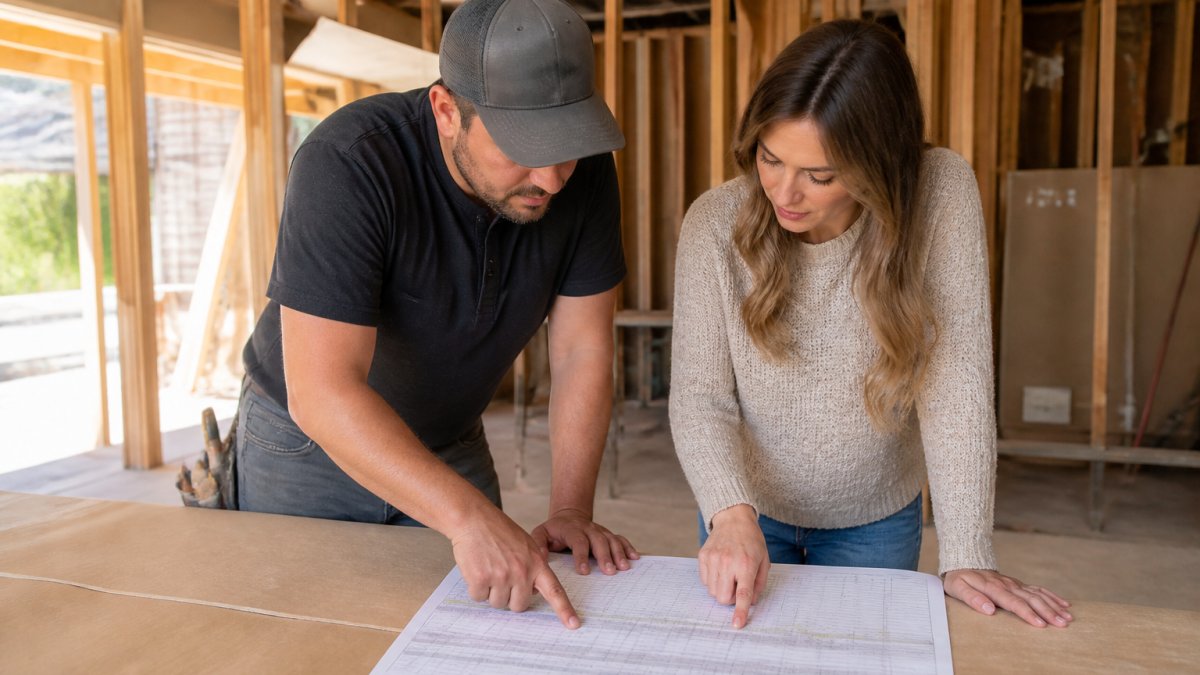
Your contractor should give you regular updates, weekly calls or emails covering last week, this week, and what's next.
Communication also means asking questions. If you don't understand something, ask.
Your contractor needs to coordinate with subcontractors.
You should also know how to reach your contractor and how fast they respond.
Good contractors use project management tools to track progress.
What to Do When Delays Happen
Construction delays remodeling projects happen on almost every project. The question is how quickly you and your contractor can assess the cause, resequence the work, and reset expectations. A calm, documented response protects your budget, schedule, and relationship with the crew.
Step 1: Classify the delay before you react
Not every delay is the same, and the right response depends on the cause. Ask your contractor which category applies:
- Preventable delays: late material orders, missed decision deadlines, poor subcontractor sequencing, or incomplete drawings. These are within the contractor's or homeowner's control and should come with a recovery plan and, where appropriate, a schedule adjustment.
- Legitimate disruptions: supplier backorders, weather, permit office backlogs, inspection scheduling, or hidden conditions discovered during demolition. These are not necessarily anyone's fault, but they still require a revised plan.
- Homeowner-driven delays: late selections, requested changes, or access restrictions. These are normal, but they should be documented so everyone understands the impact.
Distinguishing these categories determines who owns the recovery plan and whether a change order or schedule adjustment is appropriate. Assuming every delay is negligence damages trust; assuming none are preventable lets real problems slide.
Step 2: Identify the dependency and the critical path
A delay only matters if it blocks the next task. Ask your contractor which downstream tasks depend on the delayed item and whether any can proceed in parallel. If kitchen cabinets are late, the crew may finish flooring, paint, and trim in adjacent rooms, or complete bathroom work first. Resequencing to keep crews productive is one of the most effective recovery tools a contractor has.
Step 3: Get a written revised schedule
Ask for a revised schedule in writing showing new dates for affected tasks and a new substantial completion date. It should identify:
- The cause of the delay and the date it was identified
- Which tasks are affected and by how many days
- What resequencing, if any, is being used to recover time
- The new expected completion date and any milestone dates that changed
A verbal "we'll catch up" is not a schedule. A written update gives you something to plan around and reference if the delay grows.
Step 4: Adjust your own plans
If you're living in the home during remodeling, a delay may affect temporary kitchen arrangements, furniture storage, or family events. Tell your contractor early about any hard dates, a graduation, a holiday, a move-in date, so the schedule can be built around them or you can adjust expectations. Contractors can often prioritize a functional kitchen or bathroom earlier if they know it matters.
Step 5: Document and communicate
Keep a simple delay log: the date, cause, who reported it, affected tasks, and revised date. Save emails and texts. If a dispute arises later, this record protects both sides, and it helps you spot patterns, if the same supplier or trade causes repeated delays, that's useful for future projects.
Step 6: Know when a delay warrants a change order
If the delay is caused by unforeseen conditions or homeowner-requested changes, a written change order should document the added work, cost, and schedule impact. If it's caused by the contractor's own scheduling or ordering failure, ask how they plan to recover the time and whether any credit applies.
The goal is not to assign blame for every lost day, but to keep the project moving, keep expectations aligned, and make sure that when the schedule changes, everyone works from the same written plan.
Frequently Asked Questions
What are the most common causes of construction delays during remodeling?
The biggest culprits are material lead times and back orders, unforeseen conditions discovered during demolition (like hidden damage or structural issues), permit delays, and poor communication between the contractor, homeowners, and suppliers. Weather can also disrupt schedules, especially for projects involving exterior work. Inadequate planning and unrealistic timelines set from the start often amplify these issues.
How far in advance should I order materials for a home renovation?
Most custom materials require 4-12 weeks lead time, though some specialty items can take longer. Order materials as soon as your design is finalized and your contract is signed. Work with your contractor to create a procurement schedule that aligns with when each material will actually be needed on site. Delaying material orders is one of the easiest ways to push back your completion date.
How do change orders affect my remodeling project timeline?
Change orders can delay your project significantly if they require new material orders or rework. Even small scope changes can cascade through your schedule. Every change order should include an updated timeline and cost. Avoid making major decisions mid-project; finalize your scope and selections before work begins to minimize change orders and keep your schedule on track.
What should I do if my contractor falls behind schedule?
First, review your contract and schedule to understand what constitutes a legitimate delay versus a scheduling miss. Request a written explanation and a recovery plan from your contractor. Determine whether the delay is weather-related, material-related, or due to poor planning. Document everything in writing. If delays persist without reasonable cause or a credible plan to recover, contact your contractor immediately to discuss next steps and potential remedies.
